01 /
Ocean freight
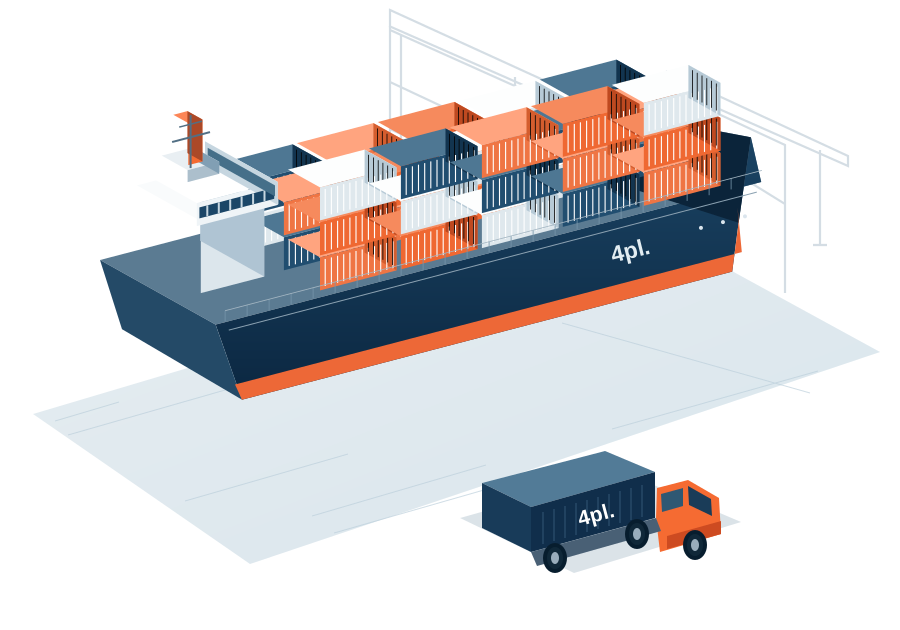
Container shipping with the port, paperwork and onward journey considered together.
Explore ocean freightOcean, air and road freight, planned around your cargo and your next destination. Clear details. Connected journeys.
Start a shipment brief. This preview does not submit an enquiry. How your details are handled ↗
Choose a freight solution for your next shipment, or connect the wider operation with fourth-party logistics.
Container shipping with the port, paperwork and onward journey considered together.
Explore ocean freight
Air cargo planning for urgent shipments, clear handoffs and time-sensitive requirements.
Explore air freight
Connect first-mile collection, inland distribution and the final delivery.
Explore road transport
Align freight, logistics partners and supply chain decisions around a single plan.
Explore 4PLWhen each partner sees only one part of the journey, the handoffs become your problem. A fourth-party logistics approach brings the plan, providers and priorities into the same picture.
See how 4PL connects the piecesDefine the route, scope and responsibilities before the journey starts.
Coordinate transport, storage requirements and the information between them.
Consider timing, handling and the whole operation when choosing what comes next.
Start with what your business needs. Build the logistics plan around it.
Define the cargo, route and delivery priorities. Identify handling needs, site conditions and the partners already involved.
Agree the transport scope, responsibilities and handoffs. Build a practical plan for how each stage connects to the next.
Set the communication and milestone requirements. Review the operation and adapt the plan as your needs change.
Logistics execution and supply chain coordination solve different problems. Understanding the difference helps you choose the right level of support.
3PL vs 4PL, explainedTransport, warehousing or fulfilment activities carried out by a logistics provider.
Focus: delivering a serviceA wider plan connecting providers, processes and decisions across the supply chain.
Focus: connecting the operationDifferent products create different logistics requirements. Start with the way your business works.
Connect incoming stock, warehousing requirements and distribution around the way your customers buy. Consider replenishment cycles, delivery windows and the handoffs between storage and transport.
Align the movement of materials, replacement parts and machinery with production and site requirements. Define loading conditions, delivery appointments and the points where timing is critical.
Plan recurring freight movements and distribution around product availability and demand. Bring suppliers, transport providers and delivery requirements into the same conversation.
Understand the options before you plan the shipment.
Practical guides to help you choose the right approach and prepare for the next conversation.
Understand the difference between logistics execution and supply chain coordination.
Read the guideThe cargo, route and timing details that help make a freight enquiry useful.
Open the checklistTell us what needs to move. Let’s bring the next steps together.